Piles and Exercise: Gym, Yoga, Walking and Cycling — What Is Generally Considered Safe
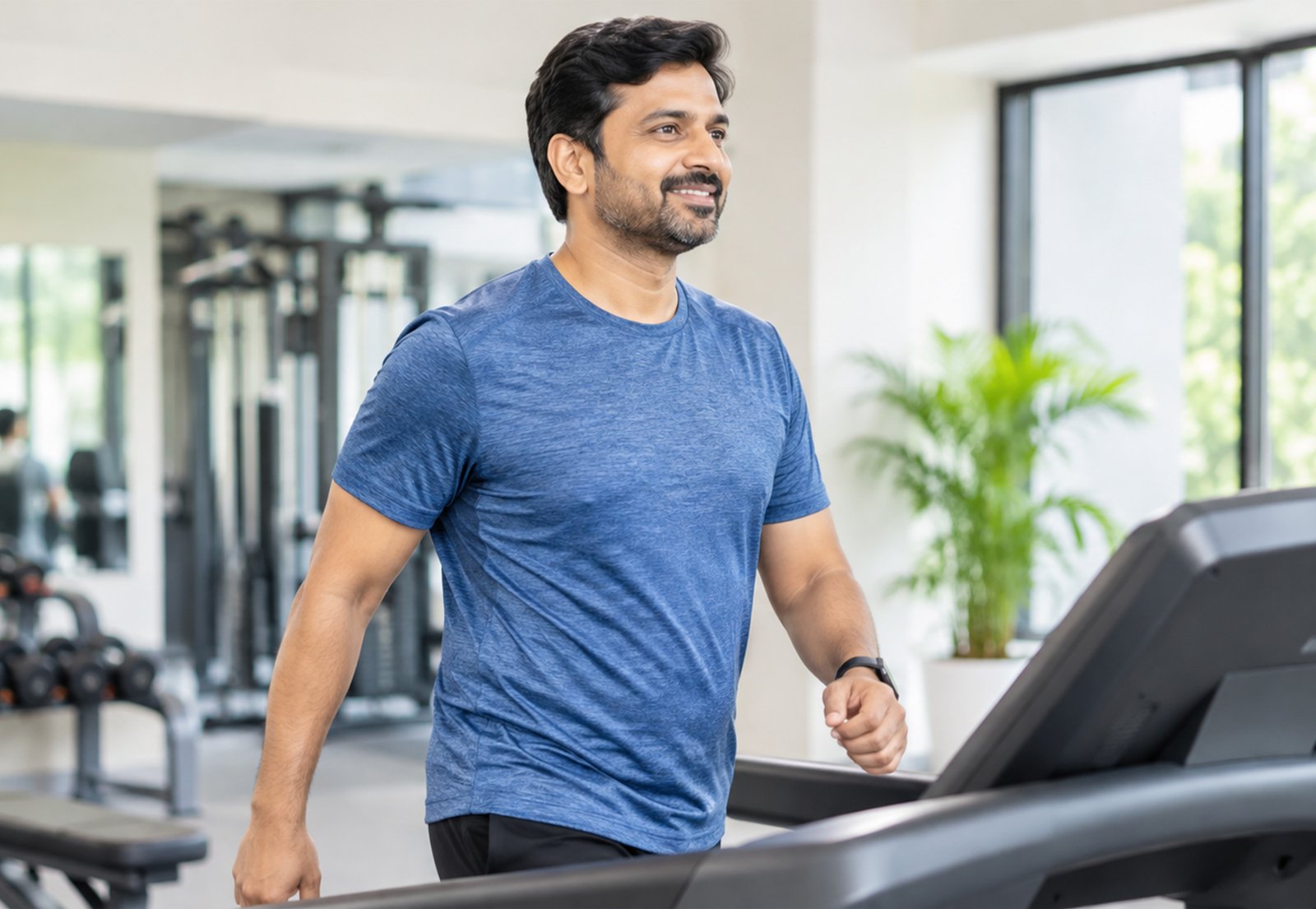
By Dr. Sushil Goyal, Goyal Piles Care Centre, Rohini, Delhi
The Short Answer
Most people with piles (haemorrhoids) do not need to stop exercising. Regular, moderate movement generally supports regular bowel habits, and constipation and straining are the main triggers for piles symptoms.
Exercise is not established as a direct cause of piles. However, heavy lifting with breath-holding, long periods on a narrow seat, and anything that makes you bear down can raise pressure in the abdomen and pelvis and may aggravate symptoms in some people, especially during a flare-up.
Hinglish mein: Piles hone par zyada tar logon ko exercise band karne ki zaroorat nahi hoti. Walking, swimming aur halki exercise aam taur par theek maani jaati hai. Bhaari weight uthate waqt saans rokna ya zor lagana symptoms badha sakta hai.
Every person is different. This article is general information, not a personal exercise prescription. If you have bleeding, pain or a lump, please get examined.
Does Exercise Cause Piles?
Piles develop when the veins around the anus swell under repeated pressure. The usual contributors are constipation, straining, low fibre, low fluid intake, long sitting, pregnancy, and family tendency.
- Exercise by itself is not established as a direct cause of piles.
- Lifting very heavy weights while holding your breath and bearing down raises pressure inside the abdomen. This may aggravate existing piles or trigger a flare-up in some people.
- Poor hydration during workouts and long sitting between sets can contribute to constipation.
- Regular moderate activity supports normal bowel movement, which may help reduce straining.
Sources differ in how strongly they link gym work to piles, and the evidence is limited. A cautious, practical approach works for most people: stay active, avoid straining, and adjust when you have symptoms.
Why Movement Matters for Bowel Health
- Bowel movement: Walking and general activity stimulate the gut, which can make stools easier to pass.
- Less constipation: Fewer hard stools means less straining.
- Less continuous sitting: Breaking up long hours of sitting reduces steady pressure in the pelvic area.
These are general effects. Activity does not remove existing piles, and it works better together with fibre-rich food and enough water.
Activity Guide: What Is Generally Comfortable and What May Aggravate Symptoms
| Activity | General view | Why | Practical tip |
|---|---|---|---|
| Walking | Generally comfortable for most people | Low strain; supports bowel movement | Walk at a steady pace; a walk after meals may suit you. |
| Swimming | Generally comfortable | Low impact; body weight is supported | Dry and change out of wet swimwear promptly. |
| Gentle yoga and stretching | Generally comfortable | Low strain when done gently | Avoid poses that make you bear down; keep breathing steady. |
| Stationary bike with a wide, padded seat | May suit some people | Avoids road bumps | Take breaks; stop if seat pressure causes discomfort. |
| Light to moderate strength training | Often manageable | Pressure stays lower than with maximal lifts | Breathe in a controlled way and do not strain. |
| Heavy squats, deadlifts and maximal lifts | May aggravate, especially with breath-holding | Sharp rise in abdominal pressure | Lower the load, breathe out on effort, and avoid bracing and bearing down. |
| High-intensity or high-impact circuits | May aggravate during a flare-up | Jarring and pressure spikes | Switch to lower-impact options until symptoms settle. |
| Long cycling on a narrow seat | May irritate | Direct pressure on the perineal area | Use a wider seat, shorter rides and breaks. |
| Sit-ups and intense core bracing | May add pressure in some people | Abdominal pressure | Use gentle core work and keep breathing. |
| Rowing machine or long seated workouts | May aggravate | Prolonged sitting plus strain | Limit duration; stand and walk between sets. |
This table is a general guide. Your own response matters most: if an activity worsens bleeding, pain or swelling, reduce it and speak to a doctor.
Gym Habits That May Help
- Breathe out on effort. Do not hold your breath and bear down during a lift.
- Choose a load you can lift with steady breathing. If you must strain to complete a rep, the weight is probably too heavy for that day.
- Do not bear down in the bathroom after a workout either. Go when you feel the urge, and do not sit for long.
- Drink water through the session. Dehydration can harden stools.
- Break up long sitting. Stand or walk between sets rather than staying seated on machines.
- Keep the area clean and dry. After sweating, wash and dry gently, and wear breathable clothing.
- Do not train through severe pain. Stop and get checked.
A sudden, very painful lump near the anus after a heavy lift or strain may be a thrombosed haemorrhoid (a blood clot in an external pile). It needs prompt examination. Read our guide on thrombosed haemorrhoids.
Yoga and Stretching
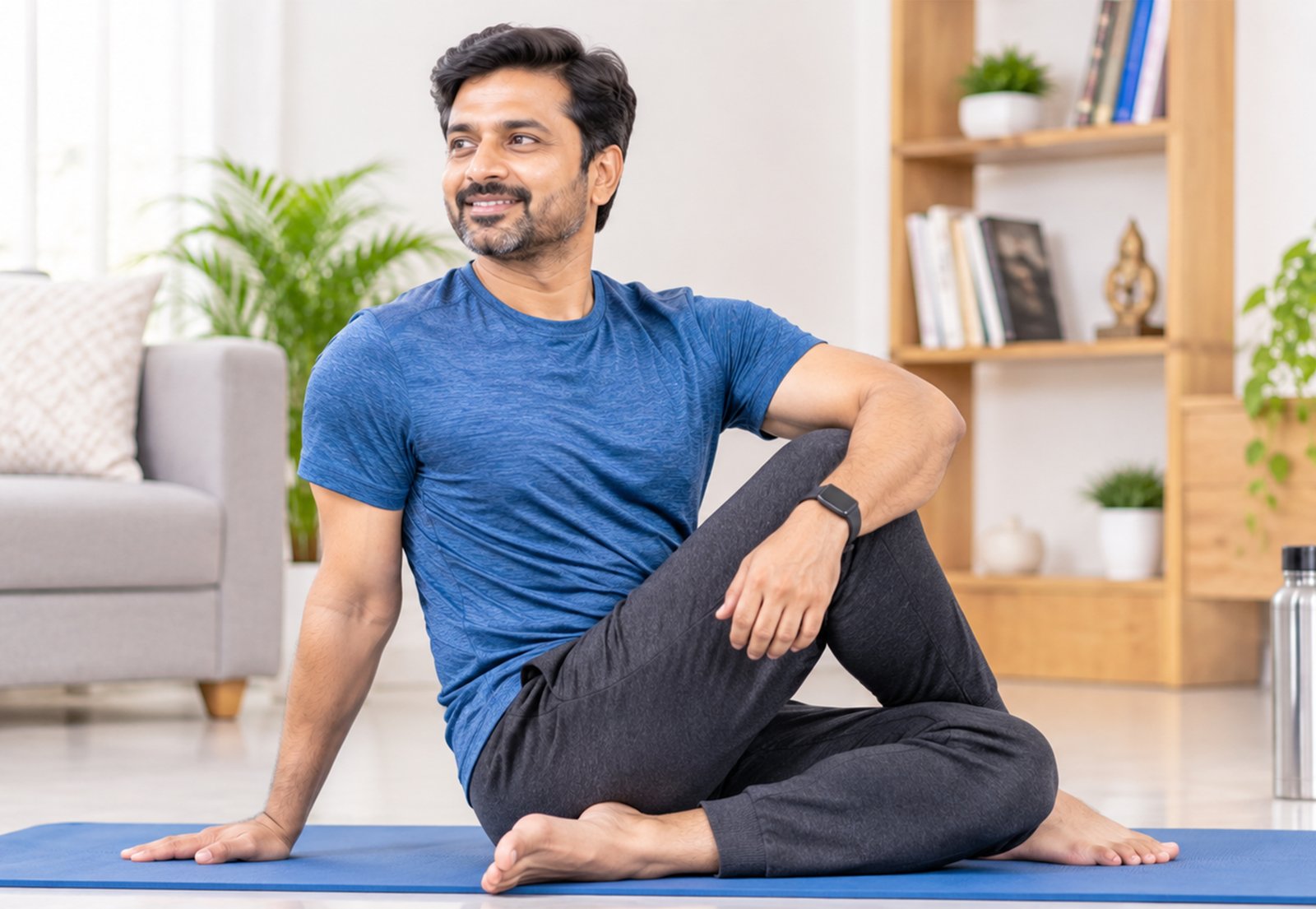
Gentle yoga and stretching are commonly considered comfortable for people with piles. Slow movement and steady breathing may also help with stress and general mobility.
- Gentle poses such as child's pose and cat-cow are often used.
- Avoid poses or breathing techniques that make you bear down or strain.
- Avoid deep squatting and forceful core work during a flare-up.
- Practise with a qualified instructor and tell them about your symptoms.
Yoga does not remove piles or replace medical advice. It is one way to stay active without much strain.
Cycling and Bike Commuting
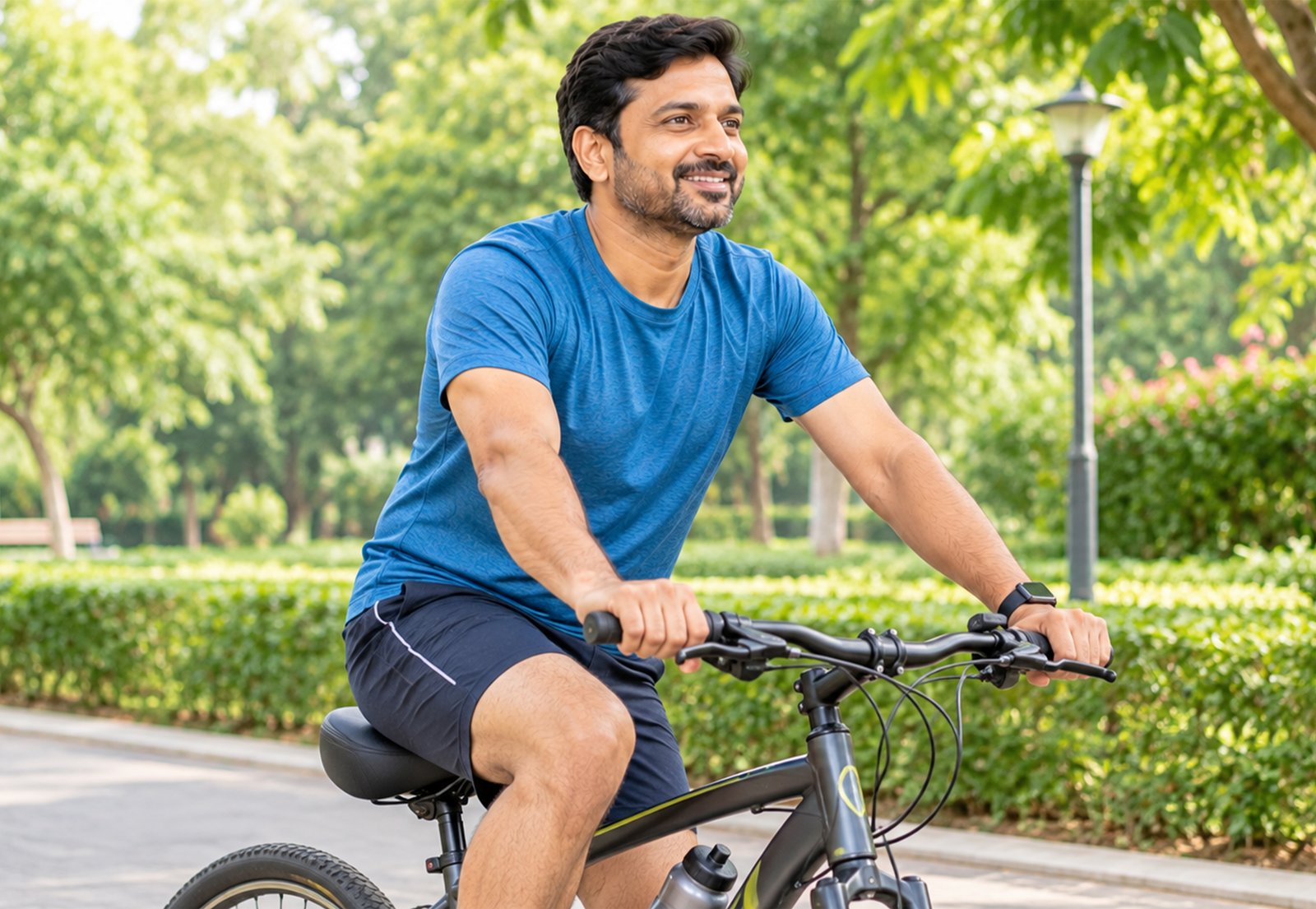
Many people in Delhi cycle or ride bikes and scooters daily. A narrow seat or a long ride may irritate the area during a flare-up.
- Choose a wider, padded seat.
- Shorter rides and regular breaks reduce continuous pressure.
- A stationary bike may be more comfortable than road cycling for some people.
- If riding becomes painful, pause and have the symptoms examined.
Running and Jogging
Light jogging is comfortable for some people with mild symptoms. High-impact running may irritate the area during a flare-up in others. If bleeding or pain increases with running, switch to walking or swimming until symptoms settle, and get examined if they persist.
Walking in Delhi: Practical Notes
Walking is the simplest, lowest-strain option. In Delhi, weather and air quality can make outdoor walks difficult at times. On such days, many people prefer indoor options such as walking inside the home, in a building corridor, or on a treadmill. Follow local air-quality advice and your doctor's guidance for any other medical conditions.
During a Flare-Up: What to Adjust
If you have bleeding, pain or swelling:
- Reduce intensity and avoid heavy lifting or straining.
- Switch to walking, swimming or gentle stretching.
- Drink enough water and eat fibre-rich food to keep stools soft.
- A warm sitz bath for 10–15 minutes may ease discomfort; it does not remove piles. Our piles home remedies guide explains what home measures can and cannot do.
- Get examined if symptoms last more than two weeks or keep returning.
Exercising After Piles Treatment
When you can return to exercise depends on the procedure, your recovery, and your surgeon's advice. Do not restart heavy lifting or strenuous activity on your own timeline. Ask your surgeon what is suitable for you and when.
Pairing Exercise With Food and Fluids
Exercise works well alongside the basics: fibre-rich food (dal, vegetables, fruit, whole grains), adequate plain water, prompt response to the urge, and not sitting on the toilet for long. See our guide on diet after piles treatment.
When to See a Doctor
Please get examined if:
- You notice bleeding from the anus, even if it stops by itself.
- Pain, swelling or a lump near the anus persists, or you need to push a lump back.
- Symptoms last more than two to three weeks or keep returning.
- A sudden, very painful lump appears after exertion.
- You have discharge or recurring swelling near the anus.
- You are over 40 and have new rectal bleeding or a change in bowel habits.
Seek urgent medical help for heavy bleeding, dizziness or fainting with bleeding, black stools, or fever with anal swelling or severe pain.
Rectal bleeding should not be assumed to be piles without examination. Read our guide on common piles questions.
How Piles Are Assessed
Assessment starts with your history and a clinical examination, which may include proctoscopy. This confirms whether the problem is piles, a fissure, a fistula or another condition, and, for piles, the grade. Management depends on the findings and may include lifestyle guidance, medication, non-surgical procedures, laser procedures or surgery. Suitability, recovery and the possible benefits and risks vary between patients, and your surgeon will explain them for your case.
Frequently Asked Questions
Can I go to the gym if I have piles?
Many people can, with adjustments. Avoid heavy lifting that makes you strain or hold your breath, especially during a flare-up. Lighter weights, steady breathing, enough water and breaks from sitting are generally advised. If symptoms worsen, reduce the load and get examined.
Does weightlifting cause piles?
Weightlifting is not established as a direct cause of piles. Lifting very heavy weights with breath-holding raises abdominal pressure and may aggravate existing piles in some people. Constipation, straining, low fibre and long sitting are the more usual drivers.
Is yoga good for piles?
Gentle yoga is commonly considered comfortable for people with piles. It does not remove piles. Avoid poses that make you bear down, and tell your instructor about your symptoms.
Can I cycle if I have piles?
Some people can with a wide, padded seat and breaks. Long rides on a narrow seat may irritate the area, especially during a flare-up. A stationary bike may suit some people better.
Which exercise is generally comfortable with piles?
Walking and swimming are generally considered comfortable. Gentle stretching and light activity can also suit many people. Your own comfort is a useful guide.
When can I exercise after piles surgery?
It depends on the procedure and your recovery. Please follow your surgeon's advice on when to resume light activity and when to resume heavier exercise.
Contact
For an assessment at Goyal Piles Care Centre:
D-12/182, First Floor, Sector 8, Rohini, Delhi – 110085Near Rohini East Metro Station Gate 2, opposite Metro Pillar No. 393
Phone / WhatsApp: +91-9999333166
Timings: Monday to Saturday, 9:30 AM to 1:30 PM
This article is for public education and is not a substitute for medical advice, diagnosis or treatment. Exercise needs vary between individuals. Please consult a qualified doctor about your own symptoms before changing your exercise routine.
